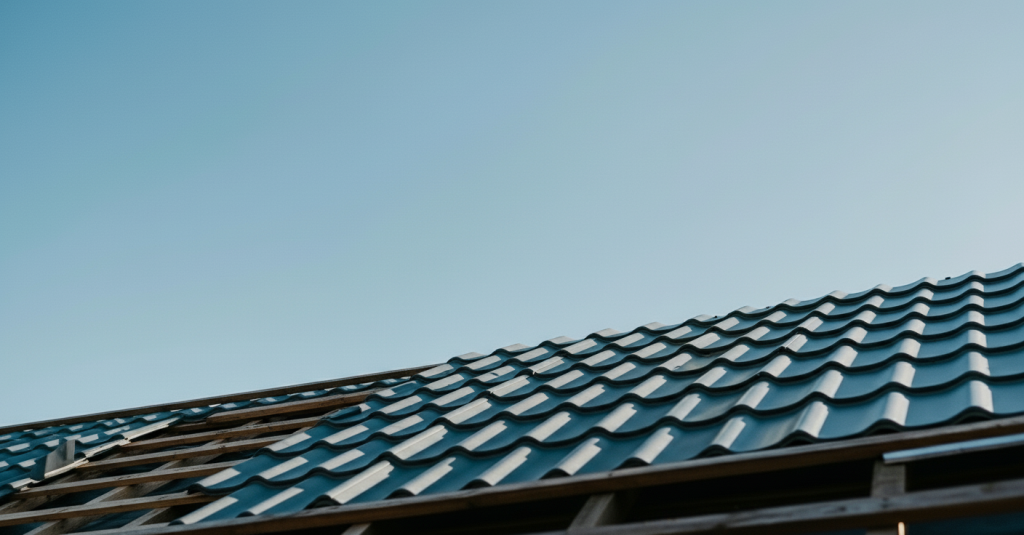
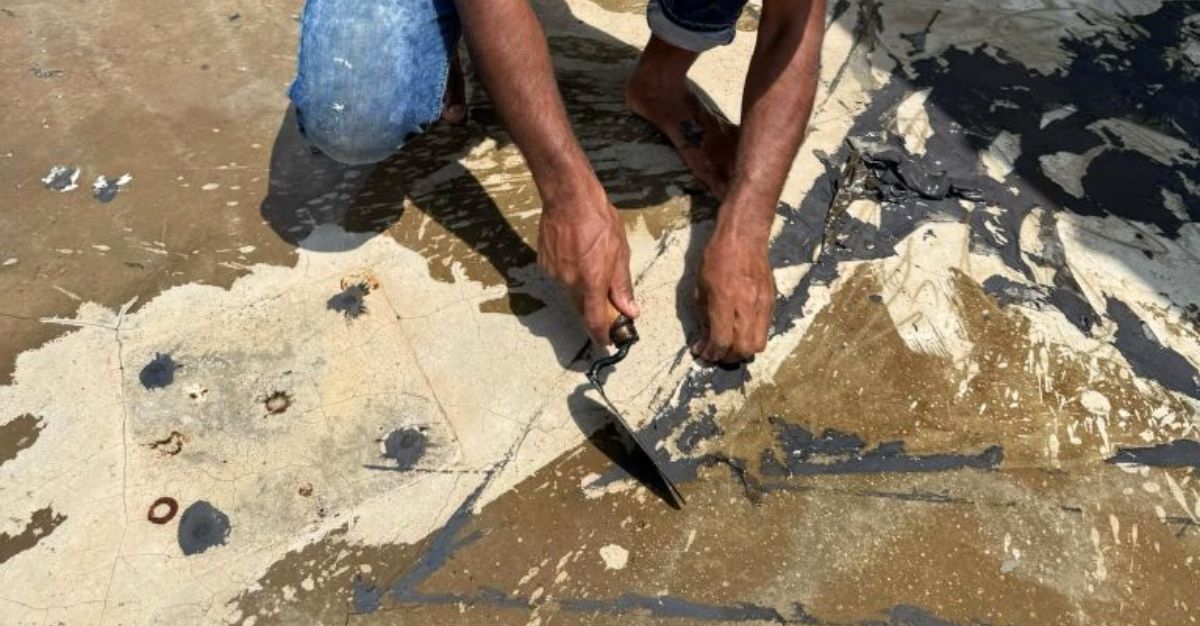
Balcony and terrace floors can look fine until seepage starts showing up.
Puddles that stay too long after rain, slippery patches, stains downstairs, or peeling paint nearby can quickly turn into a frustrating and costly problem. In Malaysia’s weather, exposed floor areas deal with constant rain, heat, and trapped moisture.
Many homeowners try quick fixes first, only to see the leak return after the next downpour.
A proper waterproofing floor solution helps stop recurring leaks, protect your home, and reduce bigger repair costs later.
This article covers the warning signs, common causes, and when it is time to get professional help.
Why Balcony and Terrace Floors Need Proper Waterproofing
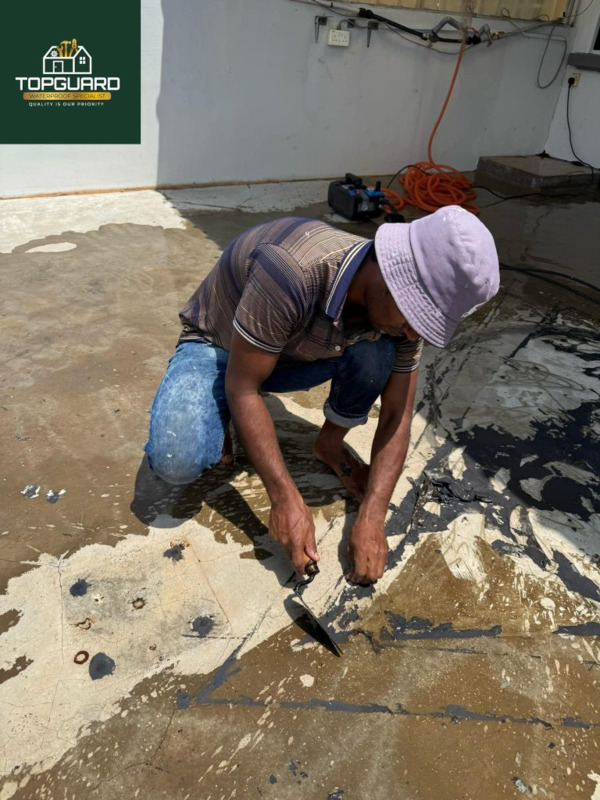
Balconies and terraces go through a lot every day. They get hit by rain, exposed to heat, and used as part of the home, all at the same time. Over time, that constant exposure can wear down the floor surface and let water slip into small cracks, gaps, or weak spots.
Once seepage starts on the floor, it can turn into ceiling stains below, peeling paint, damp patches, or more repair work later.
In condos and double-storey homes, a leak from the balcony or terrace can easily affect the space underneath.
Key Differences of Exposed vs Indoor Floor
| Factor | Balcony / Terrace Floor | Indoor Floor |
| Direct rainfall exposure | Yes, constant | No |
| UV degradation risk | High | Minimal |
| Temperature variation | Wide daily swings | Stable |
| Slip and ponding risk | High if unprotected | Low |
| Waterproofing required | Essential, dedicated system | Optional or basic |
Floor tiles or screed may cover the surface, but they do not stop water from getting through. Proper floor waterproofing needs to be built into the slab beneath, using a solution that suits the condition and exposure of the area.
Speak to TopGuard today to arrange an inspection and receive a quotation for the waterproofing work.
6 Warning Signs Your Balcony Waterproofing Floor Is Failing
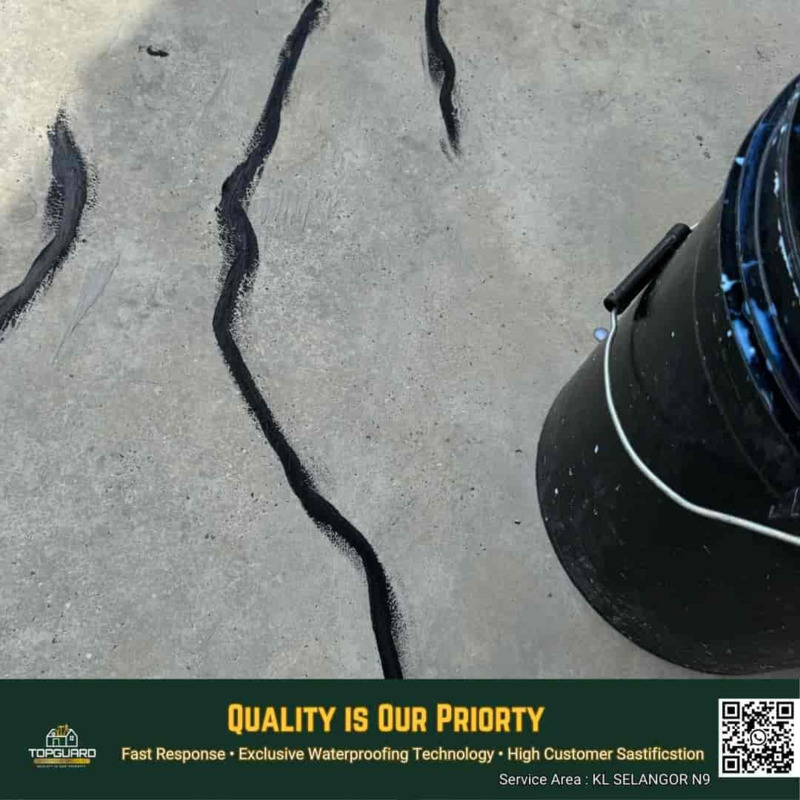
Catching waterproofing failure early can save you from a costly repair later. Look out for these signs on your balcony or terrace:
- Water stains on the ceiling below your balcony: One of the clearest indicators that water is breaching the slab and migrating downward.
- Efflorescence (white chalky deposits): Salt deposits left behind as water moves through concrete. Often seen around tile grout lines or at the base of parapet walls.
- Cracked or lifting tiles: Tile adhesive breaks down when water repeatedly gets underneath, causing tiles to loosen, crack, or hollow-sound underfoot.
- Ponding after rain: Water that does not drain within 20 to 30 minutes after rain suggests the drainage slope or floor surface is compromised.
- Rust stains on the floor or wall surfaces: Indicates corrosion of steel reinforcement inside the slab, a sign that water has been penetrating for some time.
- Musty smell or mould near the balcony door: Persistent dampness creates ideal conditions for mould growth on adjacent walls or skirting areas.
If you notice two or more of these signs together, the waterproofing system has likely reached the end of its effective life and needs professional attention sooner rather than later.
Noticing signs of leakage on your bathroom floor? Learn what affects waterproofing toilet price and deal with the issue before more damage sets in. For a lasting fix inside the bathroom, see our toilet diamond coating service.
5 Common Concrete Floor Waterproofing Solutions for Balconies and Terraces
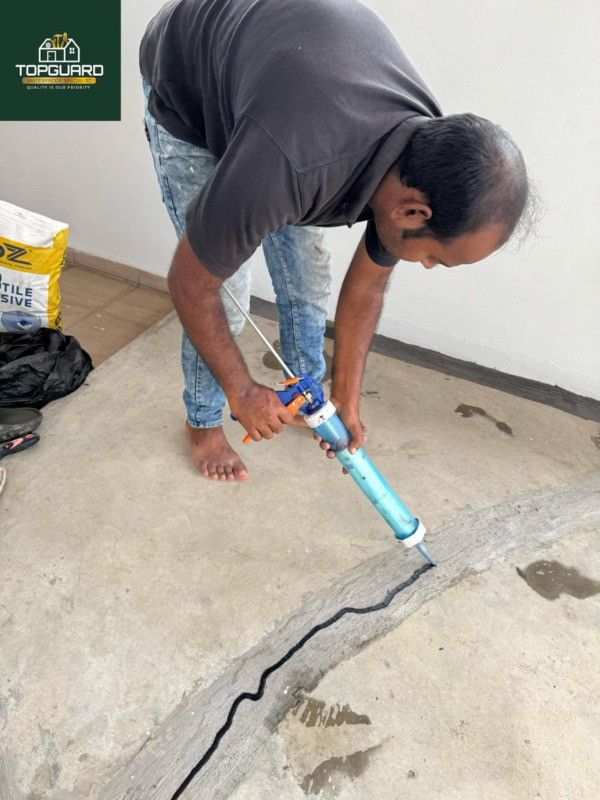
Here are the most widely used solutions for exposed floor areas, along with what makes each one suitable or less suitable for balcony and terrace applications.
1. Cementitious Waterproofing
This is one of the most common approaches used for residential properties in Malaysia. A cement-based compound is applied to the floor substrate in two or more coats, creating a rigid moisture barrier against water penetration.
Best for: New constructions, pool surrounds, mild balcony exposure
Limitation: Rigid systems can crack when there is structural movement. Not ideal for large terrace slabs that experience significant thermal expansion.
2. Polyurethane (PU) Liquid Waterproofing Membrane
PU membranes are liquid-applied coatings that cure into a seamless, flexible film. Because they bond directly to the substrate and stretch with minor movement, they are well suited to outdoor floors exposed to Malaysia’s heat and daily rain cycles.
Best for: Exposed terraces, balconies with hairline cracks, areas with movement joints
Limitation: Requires proper surface preparation. UV-stable grades must be selected for prolonged sun exposure.
3. Crystalline Waterproofing
Crystalline compounds penetrate the concrete and react with moisture to form insoluble crystals inside the slab. This self-sealing mechanism continues to work even after application, making it one of the most durable options available.
Best for: Concrete slabs, renovation projects where overlaying systems is not practical
Limitation: Cannot bridge active cracks on its own. Best combined with a surface membrane for heavy rainfall exposure.
4. Torch-On Bituminous Membrane
Bituminous membranes are heat-applied sheets that form a thick, waterproof layer. They are extremely durable and have long been used on flat roof slabs. When applied to terrace floors, they provide robust protection against ponding water.
Best for: Large terrace slabs, flat roofs used as terrace spaces, heavy foot traffic areas
Limitation: Requires a skilled applicator and heat equipment. Not suitable as a finish layer; a protective screed or tiles are needed on top.
Learn more about how torch on membrane waterproofing works in preventing leakage on terrace slabs and flat roofs.
5. Acrylic Waterproofing Coating
Acrylic-based coatings are water-based, fast-drying, and relatively affordable. They offer a moderate level of water resistance and are sometimes used for light-duty balcony floors or as a maintenance coat over an existing system.
Best for: Light maintenance, mild exposure balconies, budget-conscious projects
Limitation: Not robust enough for areas with heavy rainfall or active leaks. Requires reapplication every few years.
Arrange a site visit with TopGuard today and get a quotation for your balcony or terrace waterproofing needs.
How to Choose the Right Waterproofing Floor System
The best waterproofing floor system is the one that suits your property’s condition, layout, and level of exposure.
| Factor | What to Assess | Why It Matters |
| Condition of existing slab | Cracks, spalling, active leaks | Determines whether surface prep or crack injection is needed first |
| Exposure level | Direct sun, partial shade, fully covered | Affects UV resistance requirements |
| Drainage setup | Existing slope, drain location | Poor drainage voids any waterproofing system over time |
| Intended finish | Tiles, screed, exposed coating | Some systems require a protective layer on top |
| Age of building | New vs aged concrete | Older slabs may need crystalline treatment before membrane application |
TopGuard, a trusted waterproofing specialist in Malaysia, checks the actual condition of the area before recommending any waterproofing solution, so the repair work solves the issue more effectively instead of turning into a repeat job later.
What to Expect When TopGuard Handles the Job for Waterproofing
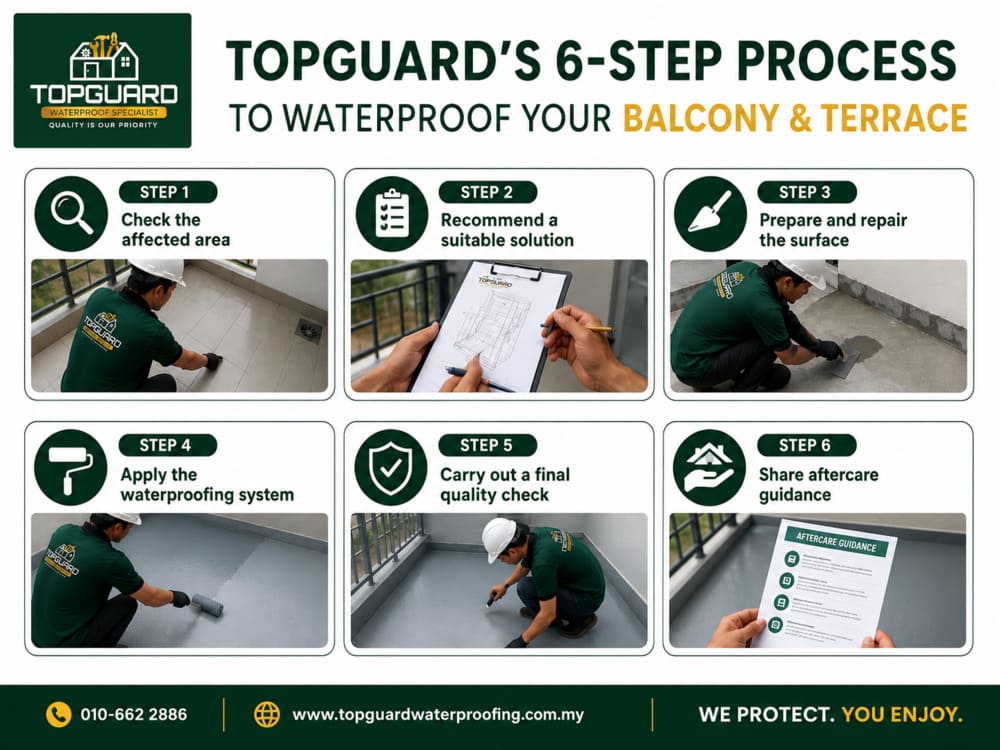
With more than 10 years of waterproofing experience and CIDB-certified expertise, TopGuard supports homeowners across Malaysia with slab waterproofing, roof leaking repair, roof coating, roof tile replacement, and roof waterproofing across Malaysia
We follow a step-by-step approach so the floor waterproofing work is based on the actual condition of the area.
Step 1: Check the affected area
We start with a site inspection to find out where the seepage is coming from and how serious the floor condition is.
Our team checks the slab, visible cracks, weak spots, joints, gaps, and signs of moisture before suggesting anything.
Step 2: Recommend a suitable solution
After the inspection, we recommend a waterproofing method based on the actual condition of the property.
Our slab waterproofing service covers exposed areas like balconies, concrete floors, rooftops, and car porches, and each job is customised to suit the site.
Step 3: Prepare and repair the surface
Before waterproofing starts, the affected surface is prepared properly. This may include dealing with cracks, damaged spots, or weak areas that could affect the waterproofing result.
The goal is to make sure the waterproofing system is applied on a surface that is ready for lasting protection.
Step 4: Apply the waterproofing system
We carry out the waterproofing work using proven materials and tested application methods. Their service page highlights systems such as PU Acrylic waterproofing coating and torch-on membrane as part of their slab waterproofing solutions.
Step 5: Carry out a final quality check
Once the work is done, we perform a final inspection to make sure the area is sealed properly and the waterproofing has been applied to their standards. Their process also highlights reliable execution and quality control before wrapping up the job.
Step 6: Shares aftercare guidance
After completion, we provide support and maintenance tips so property owners know how to look after the area and reduce future waterproofing issues.
A properly carried out waterproofing job usually takes two to four days, depending on the size of the area and the curing time needed. Rushing the process, especially during curing, can affect how well the system holds up over time.
The team focuses on clear consultation, suitable solutions for the site, and workmanship aimed at reducing repeat leaks and unnecessary repair work
Balcony Seepage Solved with PU Acrylic Waterproofing
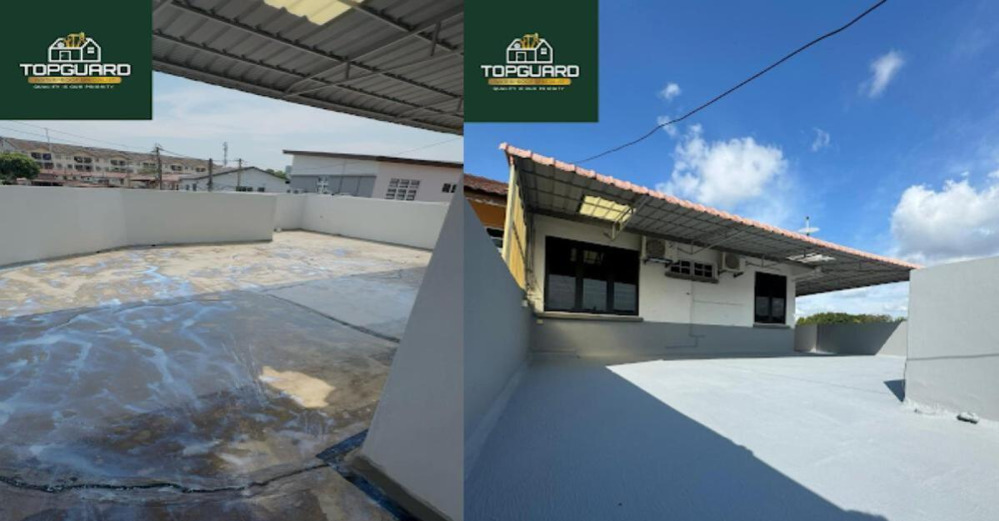
A homeowner in Taman Malim Jaya, Melaka noticed watermarks and damp patches on the balcony floor during rainy periods, raising concerns about long-term damage if left untreated.
TopGuard carried out an inspection, found that the balcony surface had been left unprotected, then cleaned and prepared the area before applying PU acrylic waterproofing coating to seal the balcony flooring properly.
After the waterproofing work was completed, the balcony was fully sealed, stayed dry, and no longer caused worry during rainy weather, while also looking smoother and more refined.
Protect Your Balcony Before the Next Rainy Season
Balcony or terrace floor leaks rarely stay as a small problem for long. Once water starts seeping deeper into the surface, it can lead to more damage, more repair work, and more cost later on.
Getting the area checked early makes it easier to deal with the issue before it spreads further.
TopGuard can inspect the affected area, recommend a suitable waterproofing solution, and handle the work properly from start to finish.
Contact TopGuard today to arrange a site visit and get a quotation.
Frequently Asked Questions (FAQs)
1. What is the best waterproofing floor system for a balcony in Malaysia?
A flexible waterproofing system that suits the slab condition, sun exposure, and rainwater load is usually the best choice for Malaysian balconies.
2. How long can balcony floor waterproofing last?
A properly applied balcony waterproofing system can last for years, depending on the product used, site condition, and workmanship quality.
3. Can balcony waterproofing be done without removing tiles?
Yes, but only when the existing tiles and surface below are still in suitable condition for the chosen waterproofing method.
4. How much does waterproofing floor treatment cost in Malaysia?
The cost depends on the area size, floor condition, repair scope, and the waterproofing method needed.
5. Does a new balcony still need waterproofing?
Yes, waterproofing is still important for new balconies because exposed floor areas face rain, heat, and long-term moisture.
6. When should I contact a waterproofing specialist for my balcony floor?
You should get it checked once you notice ponding water, cracks, damp patches, peeling paint, or repeated seepage.

Your Trusted Waterproofing Specialist in Malaysia
Mason is an experienced waterproofing contractor in Malaysia, serving Kuala Lumpur, Petaling Jaya, Selangor and nearby areas. With 10 years of experience in roofing repair and waterproofing, he works on leak repairs, waterproof coatings and practical solutions for homes and businesses.
His work focuses on helping property owners protect their buildings against water damage and reduce future repair issues. He also shares waterproofing tips with clients so they can better understand maintenance, early warning signs and prevention steps.
Mason believes every property should have a safe, durable and well-protected structure. When you work with Mason, you are working with a specialist who values quality workmanship and long-term results.