A leaking roof or damp foundation can cause serious structural damage if left untreated. The difference between a lasting repair and a recurring problem often comes down to one decision: the contractor you hire.
Many property owners in KL and Selangor end up paying twice. A cheaper contractor does a surface-level fix that fails within a year, and the damage underneath continues to spread. Choosing the right waterproofing specialist protects your property and your budget.
This guide walks you through the key standards to look for when evaluating a waterproofing contractor in Malaysia, covering CIDB certification, site inspection practices, material quality and on-site safety.
Don’t Risk Leaks Again: Hire a CIDB Waterproofing Contractor
| Criteria | Reliable Specialist (e.g. TopGuard) | Red Flag Contractor |
| Certification | CIDB registered with valid licence | No licence or registration shown |
| Site Inspection | Thorough pre-assessment with written report | Skips inspection or gives verbal quote only |
| Materials Used | Cementitious, polyurethane or crystalline products from named brands | Generic or unspecified materials |
| Safety Compliance | PPE, scaffolding standards, DOSH guidelines followed | No safety plan or PPE visible on site |
| Warranty | Written workmanship warranty provided | Verbal promise only, no documentation |
| Quotation | Itemised quote with material specs and labour breakdown | Lump sum with no detail |
The Construction Industry Development Board (CIDB) sets the regulatory standard for contractors operating within Malaysia’s construction sector.
A CIDB-certified waterproofing company has met the required registration, competency and compliance standards to carry out construction-related works legally and professionally.
Engaging an unregistered provider can expose your project to unnecessary risk, such as limited accountability, inconsistent workmanship and fewer options for recourse if leakage problems return after completion.
TopGuard CIDB-certified waterproofing specialist in Selangor, KL, and Negeri Sembilan places strong emphasis on compliance, workmanship quality and site safety by following recognised industry requirements while providing reliable solutions for residential, commercial and industrial properties across Malaysia.
With more than 10 years of industry experience, we also focus on correct material selection, proper surface preparation and quality assurance throughout every stage of the project. This ensures each job is completed with the right waterproofing method, suitable system and long-term performance in mind.
Reach out to TopGuard to find out how we approach site safety, material selection and workmanship quality.
What TopGuard’s Professional Site Inspection Covers
Before recommending any solution for roof waterproofing in Malaysia, TopGuard conducts an on-site inspection to understand the source of water intrusion, the severity of damage and the condition of the affected surface.
This assessment helps TopGuard identify the cause behind leakage, damp patches, stains or cracks. Accurate diagnosis is important because the wrong method can lead to poor adhesion, unsuitable material selection and recurring water seepage after completion.
During a pre-work inspection, we check:
- Visual condition of affected surfaces, including cracks, blistering, efflorescence, damp marks or active seepage
- Possible water entry points, such as roof slabs, walls, joints, bathrooms, balconies or foundation areas
- Existing waterproofing layers, including their condition, adhesion and signs of failure
- Surface moisture level to determine whether the substrate is ready for application
- Project-specific factors such as sunlight exposure, foot traffic, water ponding or industrial usage
- Photo documentation and a clear explanation of the recommended repair method
This gives property owners better clarity before work begins and reduces the risk of early waterproofing failure.
The inspection stage forms part of the quality assurance process of roof leaking repair and roof coating that supports safer, more reliable and longer-lasting slab waterproofing results.
Learn more about TopGuard’s 5 – 10 years waterproofing contractor warranty for roof waterproofing projects in Malaysia.
How TopGuard Ensures Waterproofing Materials Meet Proper Standards
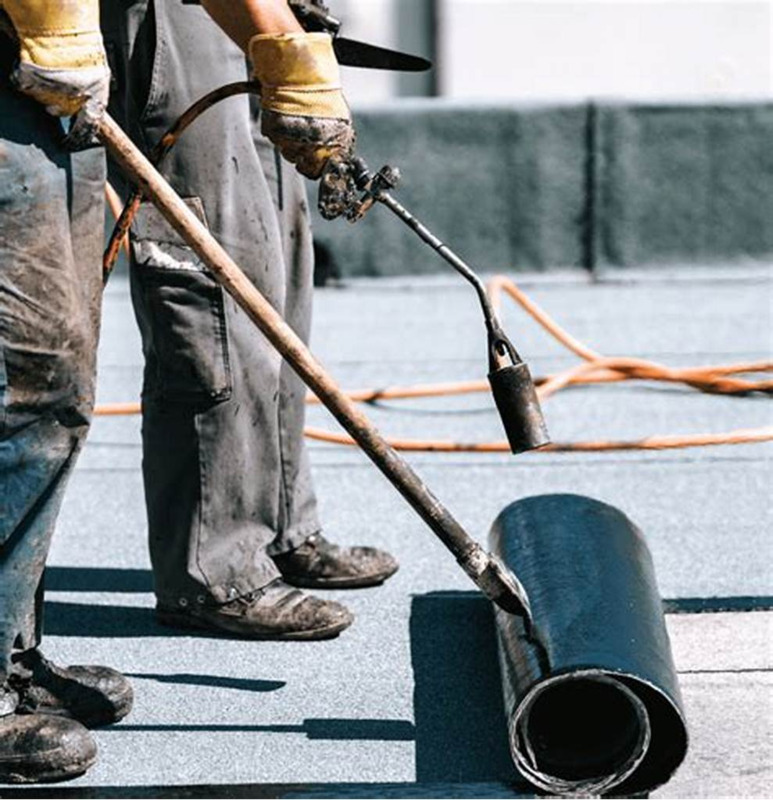
Waterproofing floor and roof performance depends heavily on the quality of materials used. A cheaper product may reduce the initial cost, but it can compromise durability, bonding strength and resistance against Malaysia’s heat, rain and humidity.
TopGuard assesses each project with material suitability in mind. The recommended product must match the demands of the area, whether it faces direct sunlight, constant moisture, ponding water, foot traffic or structural movement.
A reliable waterproofing material should be supported by clear product specifications, proven performance data and manufacturer-backed usage recommendations.
These details may include coverage rate, curing time, adhesion performance, flexibility, UV resistance and compatibility with the existing substrate.
TopGuard avoids vague material recommendations. We align its material selection with recognised construction standards and practical site requirements for building conditions.
Property owners should be informed about the product name, brand or manufacturer, and the reason it is suitable for the affected area. This level of transparency helps reduce shortcuts and makes the quotation easier to evaluate.
Learn more about the roof repair costs that go into the quality of waterproofing material and system applied to residential and commercial buildings.
Get TopGuard’s professional inspection and find out the best solution for your leakage problem.
Waterproofing Safety Checklist: What to Look for On-Site
Construction safety is often overlooked when homeowners evaluate contractors, but it is a reliable indicator of professionalism. A contractor who cuts corners on safety is likely cutting corners on quality as well.
Use this basic waterproofing safety checklist when TopGuard is working on your property:
- Personal Protective Equipment (PPE): Workers should wear safety helmets, gloves and non-slip footwear. Eye protection is required when applying chemical-based coatings.
- Scaffolding and edge protection: For elevated work such as roof waterproofing, proper scaffolding must be in place. Open edges must be guarded to prevent falls.
- Ventilation for enclosed spaces: Chemical products such as PU coatings release fumes during application. Enclosed areas must have adequate ventilation or workers must use respirators.
- DOSH compliance: The Department of Occupational Safety and Health (DOSH) Malaysia sets guidelines for construction site safety. A compliant contractor will follow these standards.
- Site housekeeping: Materials should be stored properly, walkways kept clear and waste managed to prevent hazards during and after the project.
If a site team arrives without PPE or sets up work on an elevated surface without edge protection, that is a red flag. It indicates the contractor does not operate within regulated standards.
Protect Your Property with TopGuard’s Waterproofing Expertise
Water leakage should be addressed without any guesswork before it spreads further.
The right waterproofing specialist should have verified credentials, conduct a proper site inspection and recommend materials that suit your property’s condition. When any of these steps are skipped, the risk of recurring leaks, surface damage and costly repairs becomes much higher.
Let TopGuard review the affected area and guide you on the right next step for roof leakage, wall seepage, bathroom leaks, balcony issues and industrial water ingress.
Speak to TopGuard today for a professional waterproofing consultation and get the right solution before the damage gets worse.
Frequently Asked Questions About How to Choose a Waterproofing Specialist
1. How do I verify if a waterproofing contractor is CIDB-registered?
You can verify a contractor through the CIDB Malaysia portal using their company name or registration number, and TopGuard can provide its CIDB details for client verification.
2. What makes TopGuard’s waterproofing service different from a general contractor?
TopGuard focuses specifically on waterproofing, with site assessment, material suitability and standard-aligned application handled by an experienced team.
3. Does TopGuard inspect the site before recommending waterproofing work?
Yes, TopGuard reviews the affected area first to identify the leakage source, surface condition and suitable waterproofing approach.
4. How does TopGuard choose the right waterproofing material?
TopGuard selects materials based on surface condition, exposure level, water movement and manufacturer specifications instead of using a one-size-fits-all product.
5. How long does professional waterproofing usually last?
With proper material selection and standard-aligned application, waterproofing can last for years, depending on exposure, usage and maintenance.
6. Can waterproofing be done while the property is occupied?
Yes, many TopGuard waterproofing works can be arranged with minimal disruption, although wet areas may need temporary access control during curing.
7. Does TopGuard provide waterproofing for industrial properties?
Yes, TopGuard handles residential, commercial and industrial waterproofing projects across KL and Selangor, including roofs, slabs, concrete areas and water-exposed structures.
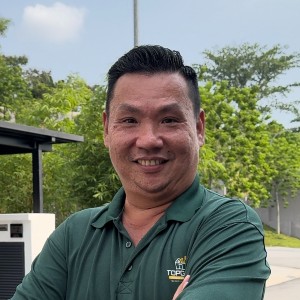
Your Trusted Waterproofing Specialist in Malaysia
Mason is an experienced waterproofing contractor in Malaysia, serving Kuala Lumpur, Petaling Jaya, Selangor and nearby areas. With 10 years of experience in roofing repair and waterproofing, he works on leak repairs, waterproof coatings and practical solutions for homes and businesses.
His work focuses on helping property owners protect their buildings against water damage and reduce future repair issues. He also shares waterproofing tips with clients so they can better understand maintenance, early warning signs and prevention steps.
Mason believes every property should have a safe, durable and well-protected structure. When you work with Mason, you are working with a specialist who values quality workmanship and long-term results.